






Mahjong: Understanding the Timeless Classic
Mahjong: Understanding the Timeless Classic
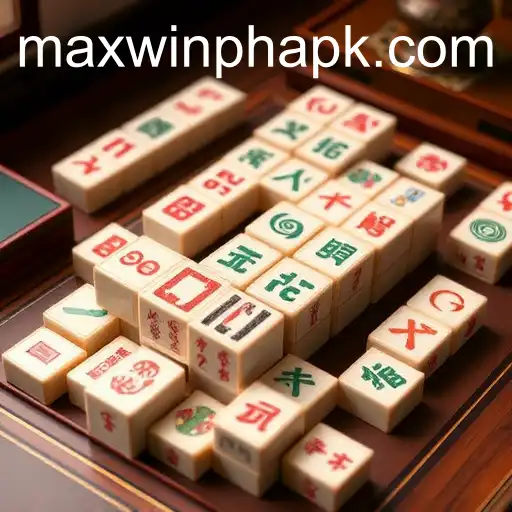
Mahjong, a traditional Chinese game, has captivated millions worldwide with its intricate design and strategic beauty. The game, known for its smooth tiles and the clinking sound they make, holds historical and cultural significance in many societies. This article delves into the various facets of Mahjong, emphasizing the intricacies that make this game a beloved pastime for many.
The Origins of Mahjong
Mahjong originates from ancient China, with theories suggesting its invention around the mid-19th century. Some historians note that the game evolved from earlier card games or domino sets. Initially played by the elite, it surged in popularity due to its compelling nature, eventually reaching all levels of society. Mahjong's rules and tile designs have been adapted over the years, resulting in different variations, yet the core principles remain consistent.
Basic Structure and Gameplay
At its essence, Mahjong is a game of skill, strategy, and calculation, often compared to card games like Rummy. It is generally played by four players and involves a set of 144 tiles based on Chinese characters and symbols. The primary aim is to collect tiles to form sets and pairs, achieving the highest score by the end of the game.
The game begins with players building a wall of tiles from which they draw and discard to create a winning hand. A complete hand comprises four melds (sets of tiles) and a pair (a pair of identical tiles). The first player to accomplish this yells "Mahjong!" to declare victory.
Variations of Mahjong
Mahjong has diversified into many forms, each with its unique sets of rules and cultural significance. Some of the most notable variations include:
- Cantonese Mahjong: A popular form predominantly played in Hong Kong, typically involving four players, and characterized by a strict rule set and a fast-paced nature.
- Japanese Riichi Mahjong: Known for its added complexity and strategic depth, this version enhances Mahjong with unique scoring rules and terminology.
- American Mahjong: An adaptation designed to include additional elements such as Joker tiles and line bets, making it distinct and culturally rich.
Cultural Impact and Modern Adaptation
Mahjong's appeal spans centuries, transcending cultural boundaries and continuously evolving. Mahjong is not only played as a recreational activity but also celebrated in global tournaments, fostering a sense of community among enthusiasts. With the advent of technology, digital adaptations have further increased Mahjong’s popularity, introducing it to newer generations through mobile apps and online platforms.
MAXWINPH, a leading name in the digital gaming landscape, has significantly contributed to the proliferation of Mahjong's digital presence. By developing a user-friendly interface and incorporating engaging features, MAXWINPH has redefined the traditional game, making it accessible to a broader audience. Players around the globe can now enjoy Mahjong, competing in real-time and experiencing the rich history of the game from their devices.
Strategies for Winning
Mastering Mahjong requires more than just luck; it demands a keen understanding of the game and strategic foresight. Here are some strategies to improve one's game:
- Understanding the Tiles: Familiarity with the various tile types—bamboo, characters, winds, and dragons—is crucial in planning your hand.
- Observation and Adaptation: Keen observation of opponents’ discards can offer insights into their strategies, allowing you to adapt accordingly.
- Efficient Hand Management: Aim to form flexible hands that can be easily adjusted as new tiles are drawn.
- Calculating Risks: Balancing aggression with caution is essential. High-risk plays might yield high rewards, but come with the danger of handing the victory to an opponent.
Mahjong in Popular Culture
Mahjong has maintained a presence in popular culture, celebrated in literature, films, and television. The game often symbolizes a connection to heritage, family, and social ties, portrayed in various narratives that highlight its role in cultural continuity and social interaction. In many Chinese communities, Mahjong is synonymous with gatherings, fostering communication across generations.
The game has also seen a renaissance in entertainment media, featured in popular movies and shows, drawing international attention and encouraging a diverse audience to engage with the game.
Conclusion
While the enduring appeal of Mahjong lies in its intricate gameplay and cultural richness, its evolution into digital forms signifies a bright future. As players continue to immerse themselves in Mahjong, they not only partake in a game but in a tradition steeped in history, underscored by strategic mastery and worldly enjoyment. Whether in traditional settings or through platforms like MAXWINPH, Mahjong remains a captivating, timeless classic.
PirateTreasure: Unveiling the Mysteries of MAXWINPH

Dive into the world of PirateTreasure and discover how MAXWINPH is reshaping the gaming landscape with thrilling adventures and enticing rewards.
2026-03-13
InvincibleElephant: A New Gaming Phenomenon with MAXWINPH Potential

Discover the captivating world of InvincibleElephant, a new game that combines strategic gameplay with a vibrant narrative. Learn about its intriguing rules and how it aligns with current gaming trends.
2026-03-12
Unleashing Adventure with CursedCanBonusBuy and Exploring MAXWINPH

Dive into the captivating world of CursedCanBonusBuy, a thrilling game set to captivate players with its unique features and strategic gameplay. Explore the intricacies of its mechanics, delve into the rules, and discover how current global events enhance the gaming experience.
2026-03-11
Exploring the Adventurous World of CrazyGems: A Guide to MAXWINPH

Dive into the vibrant universe of CrazyGems, a thrilling game capturing the essence of strategy and excitement in every move, influenced by contemporary global events.
2026-03-10

 download apk/ios